
In public health, patterns matter more than isolated symptoms. One pattern that continues to surface across populations is what people commonly refer to as “overthinking.” It is often framed as a mindset issue or a lack of discipline, but more often it reflects a regulatory pattern tied to how the nervous system is processing internal and external input.
When the body is under strain, whether from environmental load, disrupted sleep, chronic stress, or underlying physiological imbalance—the brain increases surveillance. This is not a flaw. It is a protective mechanism. The result is an increase in internal dialogue, not because something is wrong with the person, but because the system is attempting to interpret signals that feel inconsistent or unresolved.
This is where common advice tends to fall short. Telling someone to stop overthinking or calm down does not address the underlying process. The brain is not attempting to be quiet. It is attempting to make sense of input. When that input exceeds the system’s ability to process it efficiently, thoughts become repetitive, faster, and more difficult to organize. This is not a motivation issue. It is a processing issue.
From a systems perspective, internal noise tends to increase when inputs exceed capacity, when signals remain unresolved, or when the body is operating in a prolonged adaptive state. Over time, this creates a loop where the individual becomes stuck inside the pattern without a clear way to step outside of it.
One of the most overlooked tools in this space is externalization. When thoughts remain internal, they tend to cycle. When they are externalized, they become observable. This shifts them from something you are inside of to something you can evaluate. That shift alone can change how a pattern is experienced.
In practice, this is less about journaling for reflection and more about capturing usable data. Writing down what is repeating, what escalates, and what correlates with physical states allows patterns to become visible in a way that mental processing alone does not provide. Without that step, the experience remains subjective and difficult to interrupt.
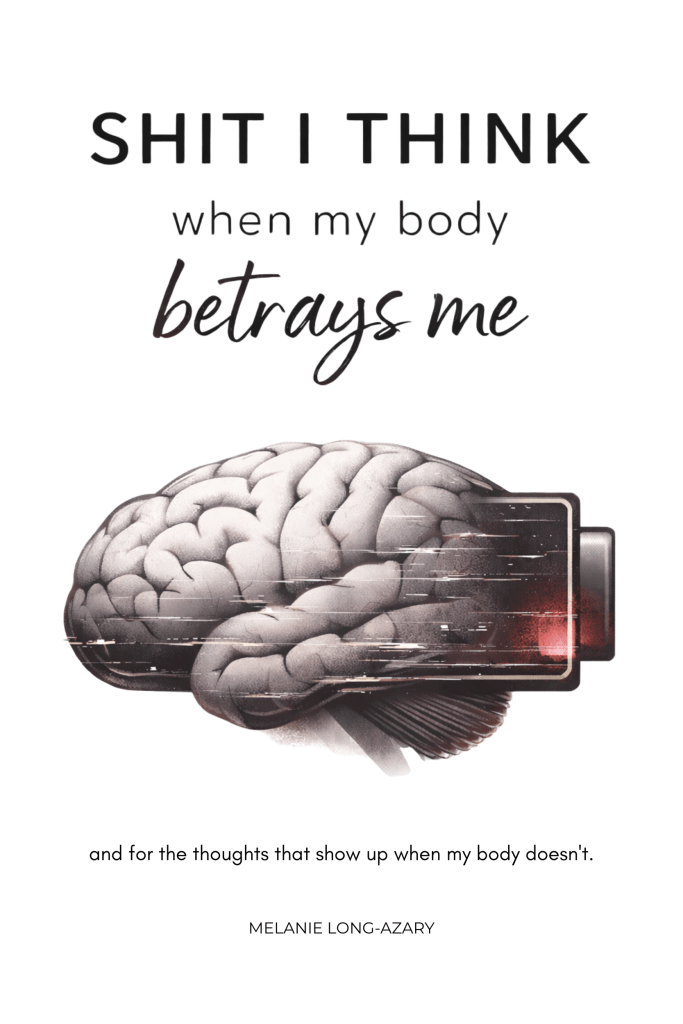
This is the framework behind a digital tool I created for individuals who need a structured way to capture these patterns in real time. It is not designed to correct behavior or force insight. It is designed to make behavior visible. The format is simple and fillable, allowing direct input without added steps so the focus remains on observation rather than performance.
The goal is not to silence the system. The goal is to understand what it is responding to. When patterns become visible, they can be interpreted. When they are interpreted, they can be addressed with more precision.
If you are noticing persistent internal noise, repetitive thought loops, or difficulty organizing mental input, that is not something to dismiss. It is information. And information becomes useful once it is visible.


Discover more from Restoration Wellness of Idaho LLC
Subscribe to get the latest posts sent to your email.
 Restoration Wellness of Idaho LLC