
“Can that which is tasteless be eaten without salt,
Job 6:6
or is there any taste in the juice of the mallow?”
To dig a little deeper what is Job saying here?
This is Job getting poetic and sarcastic (bless him). He’s comparing his suffering—and possibly the advice of his so-called friends—to something bland, insipid, and hard to stomach.
Let’s break it down:
“Is there any taste in the juice of the mallow?”
Mallow was a wild plant, kind of like an ancient survival food. Not exactly gourmet. The juice (or sap) is especially bland and slimy. The mallow, most likely a type of salt bush, Atriplex halimus L. a halophytic perennial shrub that can grow in arid and semi-arid conditions. Its resistance to high levels of salinity and drought makes it a suitable species for landscaping in arid and salt-affected areas where it produces valuable forage for livestock. Saltbush leaves are edible, and they can be eaten cooked, like spinach or raw, like salad. Job is basically saying: You’re feeding me words that are as nourishing as boiled weeds. Thanks, but no thanks.
“Can that which is tasteless be eaten without salt?”
Translation: Life feels pointless and empty right now, and your words aren’t helping.
Salt, in ancient times, represented value, flavor, covenant, and preservation. Without it, food—and metaphorically, life—feels flat. Job is expressing that empty, unseasoned words in times of suffering are useless—maybe even offensive. Without salt (truth, empathy, purpose), both food and conversation are unpalatable.
Atriplex halimus L.

Salt was once worth its weight in gold. Roman soldiers were paid in it (“salary” literally comes from sal), and it was essential in biblical covenants and offerings. It was a symbol of preservation, purity, and permanence. But today? Salt’s reputation has been processed right along with the table variety that shows up in fast food and hospital meals.
Somewhere along the line, salt went from sacred to scary. Blamed for high blood pressure, heart disease, and water retention, it became the mineral nobody wanted to admit they loved. But like many health fads, the low-sodium craze was based on misunderstood science, flawed studies, and a blanket approach that ignored a deeper truth: salt isn’t the problem. What we did to it is.
The Science of Salt: Essential, Not Optional
Salt is foundational to life. It’s in your sweat, tears, blood, and even your bones. Your body depends on the sodium-potassium pump for every nerve impulse, muscle contraction, and heartbeat. Without salt, you’d literally short-circuit.
Salt Regulates:
- Electrolyte balance (hydration)
- Nerve transmission
- Muscle function (including the heart)
- Adrenal support and energy levels
When you’re low on quality salt, symptoms can mimic dehydration and burnout: fatigue, brain fog, dizziness, cravings, and even anxiety.
Refined vs. Real: The Salt Bait-and-Switch
The problem isn’t salt – it’s the refined, bleached, chemically-altered version labeled “table salt.”
Table Salt:
- Stripped of trace minerals
- Contains additives like anti-caking agents and aluminum
- Iodized with synthetic compounds
Real Salt (like Celtic, Himalayan, or Jacobsen Salt Co.):
- Contains 60–90+ trace minerals
- Naturally balanced
- Supports cellular health
Telling people to cut all salt is like telling them to avoid all fat or all bacteria. It ignores nuance and dismisses the healing power of creation. Take our family for instance, we live with conditions like Postural Orthostatic Tachycardia under the umbrella Dysautonomia dysfunction. Dysautonomia is a broad term for dysfunction of the autonomic nervous system (ANS)—the system that runs everything you don’t think about like, heart rate, blood pressure, digestion, temperature regulation, pupil dilation, bladder control, and more. The Autonomic Nervous System Has Two Gears:
- Sympathetic (“fight or flight”)
- Parasympathetic (“rest and digest”)
In dysautonomia, those gears are glitching—often stuck in high stress or randomly flipping between extremes.
So Where Does Salt Fit In?
People with dysautonomia often have:
- Low blood volume
- Blood pooling in limbs
- Poor baroreceptor function (your body’s pressure sensors misfire)
- Adrenal strain and electrolyte imbalance
Enter Salt:
- Raises blood volume (sodium holds water)
- Supports blood pressure stability
- Improves oxygenation to the brain and organs
- Calms adrenaline surges by supporting adrenal and fluid balance
Salt Is Part of a Bigger Strategy:
✔️ Salt & Hydration: Unrefined salt + plenty of water = more volume
✔️ Electrolytes: Add magnesium, potassium, and bicarbonate
✔️ Compression gear: Supports circulation
✔️ Small, frequent meals: To avoid blood flow dips after eating
✔️ Nervous system regulation: Vagal nerve toning, breathwork, trauma release
✔️ Cell salts: Especially Nat Mur, Kali Phos, Mag Phos, and Calc Phos (let us take a closer peak below.)
Cell Salts: The Forgotten Mineral Matrix
Enter: tissue salts – also called cell salts or Schüssler salts. Cell salts are micro-doses of vital minerals that naturally occur in the body. They were developed in the 1870s by German physician Dr. Wilhelm Heinrich Schuüssler, who believed that deficiencies in these inorganic salts at the cellular level led to disease.
Unlike traditional supplements or synthetic medications, cell salts are prepared homeopathically, meaning they are diluted and potentized to work at the energetic level. They support cellular function without overwhelming the system. They gently nudge the body toward balance and are safe even for children, pets, and the ultra-sensitive.
The 12 Primary Cell Salts and Their Uses
Each salt supports different tissues, organs, and functions. Here’s a breakdown:
- Calc Fluor (Calcium Fluoride) – Elasticity and strength. Supports bones, teeth, skin, varicose veins, and connective tissue (helpful for stretch marks and hypermobility).
- Calc Phos (Calcium Phosphate) – Bone builder. Supports growth, repair, and recovery. Great for children, teens, and post-op healing.
- Calc Sulph (Calcium Sulphate) – Blood purifier. Aids in detox, especially with skin issues like acne and boils.
- Ferrum Phos (Iron Phosphate) – First-aid salt. Great for inflammation, fevers, and the early stages of infection.
- Kali Mur (Potassium Chloride) – Mucus mover. Excellent for colds, sinus congestion, and lymphatic sluggishness.
- Kali Phos (Potassium Phosphate) – Nerve tonic. Think stress, anxiety, burnout, and brain fog.
- Kali Sulph (Potassium Sulphate) – Skin support. Assists with cell regeneration and oxygen transport. Good for chronic skin conditions.
- Mag Phos (Magnesium Phosphate) – The cramp and spasm reliever. Excellent for headaches, period cramps, and nerve pain.
- Nat Mur (Sodium Chloride) – Water balancer. For dehydration, headaches, emotional suppression, and excessive dryness or swelling.
- Nat Phos (Sodium Phosphate) – Acid neutralizer. Helps with heartburn, indigestion, and acid reflux.
- Nat Sulph (Sodium Sulphate) – Liver and detox support. Aids bile flow and fluid retention.
- Silicea (Silica) – The cleanser. For hair, nails, skin, and removing foreign objects (like splinters or boils).
Biblical Salt: Covenant, Calling, and Consecration
Salt wasn’t just for food in the Bible. It was sacred.
“You are the salt of the earth…” – Matthew 5:13
Jesus wasn’t handing out dietary advice. He was calling His followers to preserve truth, purify the world around them, and give flavor to faith.
“Season all your grain offerings with salt.” – Leviticus 2:13
God required salt in offerings. It symbolized covenant – an unbreakable bond. Salt was durable, unchangeable, and precious. Like truth.
“Let your speech be seasoned with salt.” – Colossians 4:6
Salt here represents wisdom, discernment, and the grace to communicate with power and purpose. Salt wasn’t vilified in Scripture – it was glorified.
Wellness Tools: Salty and Sacred
When the body is unstable, it’s easy to lose hope. Dysautonomia reminds us how fragile the body is—but also how much grace is available in the day-to-day. If you’re ready to embrace salt without fear, here are a few simple ways to begin:
- Sole water: A teaspoon of mineral-rich salt dissolved in water and sipped each morning to support hydration and adrenal health
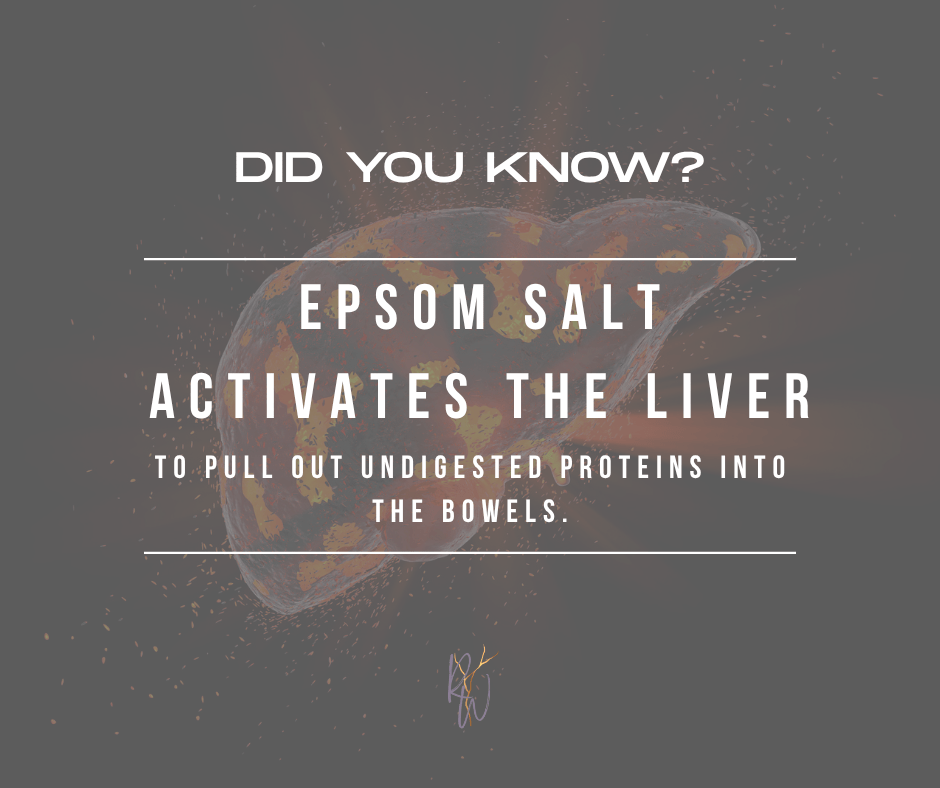
- Salt baths: Epsom or Himalayan salt to detox and soothe sore muscles
- Salt scrubs: Encourage circulation, lymph flow, and skin renewal
- Cell salts: For chronic depletion, mood imbalance, mineral deficiencies
- Salt inhalers or halotherapy: Support lungs, allergies, and sinus health
Root Causes of Dysautonomia to Consider:
- MTHFR and other SNPs
- Ehlers-Danlos Syndrome
- Mold toxicity
- Chronic infections (Lyme, EBV, etc.)
- Vaccine or viral-triggered immune dysregulation
- Mast Cell Activation Syndrome (MCAS)
It is important to note here that salt won’t cure POTS, but it’s a cornerstone of symptom management.
Final Thought: Reclaim the Salt
Salt is not the enemy. It’s a divine design, created for both our bodies and our spirits. What was once sacred has been chemically counterfeited and marketed as dangerous. But we were never meant to thrive on fakes.
Let this be your salty wake-up call: To return to what is real. To restore what was removed. To be the salt you were created to be.
Stay salty, friends — in all the right ways. Let’s get connected!

Discover more from Restoration Wellness, LLC
Subscribe to get the latest posts sent to your email.
 Restoration Wellness, LLC